Why many experts advise against sleeping with

Many people believe that a slightly open window promotes better sleep. The fresh air seems to be soothing and create an immediate sense of well-being.

However, many health experts recommend closing the window at night. This habit can present risks that are often underestimated.

Closing the window doesn’t mean sacrificing good air quality. There are other solutions to ensure restful sleep while protecting your health.

Risks to health and sleep quality

Sleeping with the window open exposes you directly to temperature fluctuations. These sudden changes can disrupt your sleep cycle. Your body reacts to every cold draft and struggles to maintain a stable temperature. As a result, your sleep becomes lighter and less restorative.


Related Posts

Why It Matters to Understand the Difference Between Store-Bought and Farm-Raised Beef

When it comes to the food on your plate, not all beef is created equal. Understanding the difference between store-bought and farm-raised beef can help you make…

Is Bathroom Tap Water Actually Safe to Drink?

When my husband gets thirsty in the middle of the night, he refuses to walk to the kitchen and instead drinks straight from the bathroom tap. I’ve…

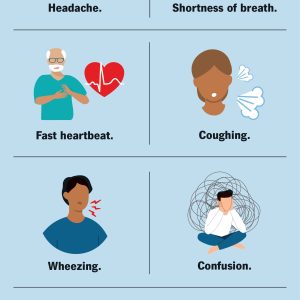
8 Warning Signs of Low Blood Oxygen Levels and How to Improve Them

Oxygen is essential for sustaining life, playing a critical role in powering every cell and organ in the body. When blood oxygen levels fall—a condition known as…

Just 1 oregano leaf a day and you won’t suffer from any more…

Drinking oregano tea on an empty stomach is a popular natural remedy known for its potential health benefits. Though scientific studies are limited, oregano’s antioxidant, antibacterial, and…

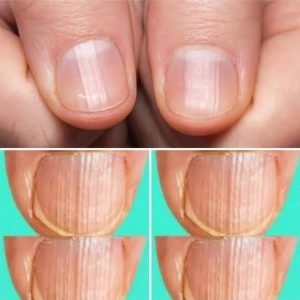
Rippled fingernails reveal secrets of possible disease

Manicures may mask imperfections, but your nails can reveal more than just cosmetic flaws—they can serve as vital indicators of your overall health. Beneath the shiny polish…

Destroys Dementia, Inflammation, Pain, Arthritis, Osteoarthritis

Natural approaches to health have become increasingly popular for managing conditions like arthritis, inflammation, pain, and cognitive decline. While they don’t replace medical treatments, they can significantly…